Health and Safety Policy for Cleaner West Kensington
 Our Cleaner West Kensington health and safety policy is designed to protect staff, clients, visitors, and anyone who may be affected by cleaning activities. We believe that safe working practices are essential to delivering a reliable and professional cleaning service. This policy sets out the principles, responsibilities, and procedures that help maintain a safe environment during all cleaning tasks.
The aim of this policy is to reduce risk, prevent accidents, and support consistent safe behaviour in every setting. Cleaning work can involve wet floors, chemicals, manual handling, electrical equipment, and repetitive tasks, so careful planning is important. Health and safety is not treated as an extra step; it is part of every job from start to finish.
We expect all cleaning operatives to work with attention, follow safe systems, and report anything that may affect safety. This applies whether the task is routine maintenance, deep cleaning, or a one-off assignment. Safety awareness helps prevent injuries and ensures cleaning standards remain high.
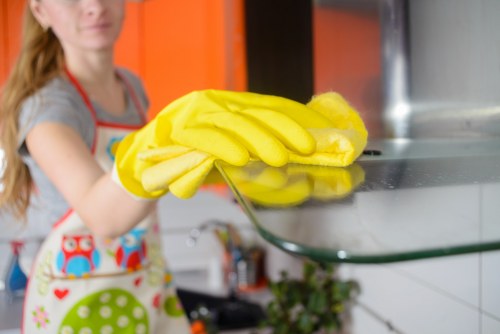 Every cleaner must receive appropriate induction and ongoing instruction before carrying out work independently. Training covers safe use of products, correct handling of equipment, personal protective equipment, and how to recognise hazards. Supervisors are responsible for checking that tasks are understood and that workers feel confident to raise concerns.
Risk assessments are completed where necessary before work begins. These assessments help identify hazards such as slippery surfaces, sharp objects, poor ventilation, unstable furniture, and exposure to cleaning agents. By reviewing the workplace in advance, our cleaning policy supports safer decisions and reduces the chance of incidents.
Personal protective equipment may be required depending on the task. Gloves, masks, aprons, eye protection, or slip-resistant footwear may be used when suitable. All PPE must be worn correctly, kept in good condition, and replaced when damaged or no longer effective.
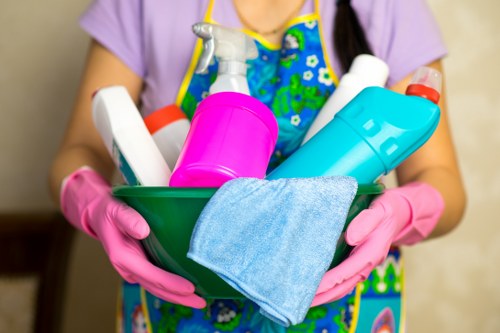
 Cleaning products must be stored, labelled, and used in line with manufacturer instructions. Chemical safety is especially important, as mixing incompatible substances or using incorrect dilution can create harmful fumes or reduce cleaning effectiveness. Staff should never transfer products into unmarked containers or use them without understanding their purpose.
Good hygiene practices are part of our health and safety approach. Cleaners should wash their hands regularly, avoid touching their face after handling products, and take care when dealing with waste or contaminated materials. Where needed, suitable disposal methods must be followed to protect people and the environment.
Manual handling also requires careful attention. Lifting, carrying, pushing, and moving equipment should be done using safe posture and sensible technique. If an item is too heavy, awkward, or unsafe to move alone, assistance or alternative methods must be used. Preventing strain is a key part of our cleaner safety standards.
Equipment safety is another important part of the policy. Vacuums, floor machines, extension leads, and other electrical items must be checked before use and removed from service if faulty. Cables should be arranged to avoid tripping hazards, and equipment must only be used for its intended purpose by trained personnel.
Accident prevention depends on keeping work areas organised and clearly controlled. Warning signs should be used when floors are wet or surfaces are being cleaned, and clutter should be removed where possible. Doors, corridors, stairways, and shared spaces must be kept safe for others while cleaning is in progress. Housekeeping discipline reduces the risk of slips, trips, and falls.
Fire safety awareness is also included in this policy. Cleaners must know how to act if a fire alarm sounds, which areas should be kept clear, and where hazardous substances are stored. Materials that can burn or react badly should be handled responsibly, and escape routes must never be blocked by equipment or waste.
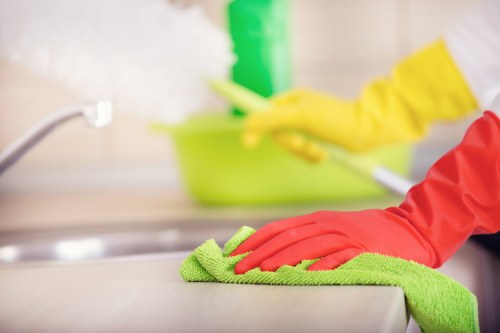 Supervision and communication are essential to maintaining standards. Team leaders should monitor work practices, reinforce safe behaviour, and correct unsafe actions promptly. Workers are encouraged to report hazards, near misses, damaged equipment, or any situation that could place someone at risk. A strong reporting culture supports continuous improvement.
Illness and injury management is handled with care and confidentiality. Anyone unwell, tired, or unable to work safely should not continue with tasks that could place them or others in danger. Where an injury or incident occurs, it must be recorded and reviewed so that appropriate follow-up action can be taken.
Occupational wellbeing matters as well as physical safety. Cleaning work can be demanding, so reasonable pacing, regular breaks, and sensible task planning are important. We aim to reduce unnecessary pressure and support a working environment where cleaners can do their jobs safely and effectively.
 This health and safety policy will be reviewed regularly to ensure it remains effective and up to date. Changes in working methods, equipment, products, or workplace conditions may require adjustments to procedures. All staff are expected to follow the policy, respect safety instructions, and contribute to a safe, professional cleaning service.
By making safety, care, and responsibility part of everyday cleaning practice, our West Kensington cleaning policy helps protect people and support high standards. Clean workplaces depend on consistent attention to risk, clear communication, and practical prevention measures. Through this approach, we aim to deliver dependable results without compromising wellbeing.