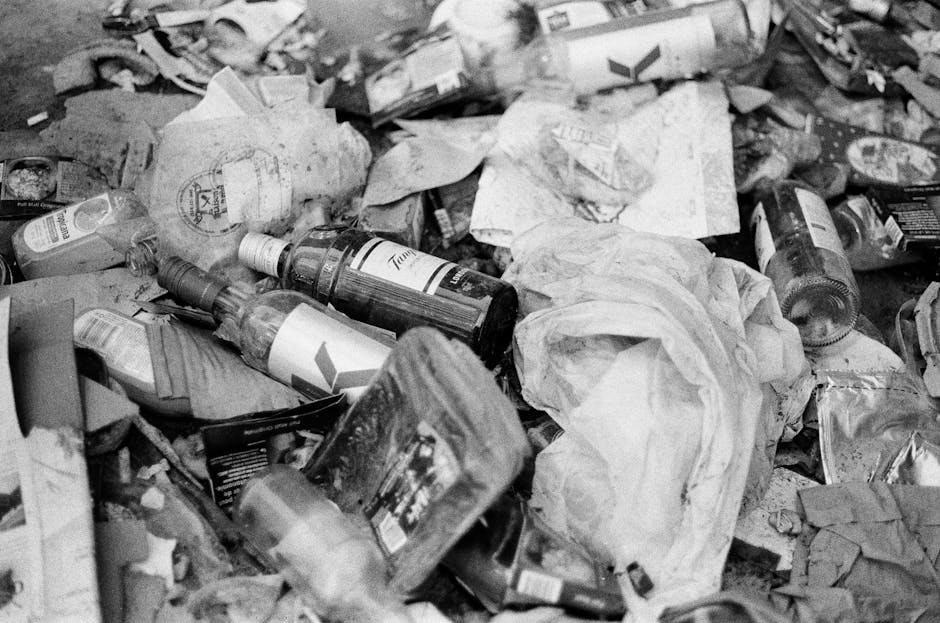
Royal Borough rules for rubbish disposal and cleaning Kensington
If you live, work, rent, or clean in Kensington, rubbish disposal can feel straightforward right up until it isn't. One missed collection, a bag left in the wrong place, or waste put out too early can quickly turn into an eyesore, a complaint, or a council issue. Understanding the Royal Borough rules for rubbish disposal and cleaning Kensington helps you stay tidy, stay compliant, and avoid that awkward moment when the whole street knows your bin was the problem.
This guide explains the practical side of rubbish disposal, waste handling, and cleaning expectations in Kensington in plain English. You'll learn how the rules usually work, what to watch out for, how cleaning and waste management connect, and when it makes sense to call in professional help for a proper reset rather than just another rushed sweep with a dustpan.
Table of Contents
- Why Royal Borough rules for rubbish disposal and cleaning Kensington Matters
- How Royal Borough rules for rubbish disposal and cleaning Kensington Works
- Key Benefits and Practical Advantages
- Who This Is For and When It Makes Sense
- Step-by-Step Guidance
- Expert Tips for Better Results
- Common Mistakes to Avoid
- Tools, Resources and Recommendations
- Law, Compliance, Standards, or Best Practice
- Options, Methods, or Comparison Table
- Case Study or Real-World Example
- Practical Checklist
- Conclusion
- Frequently Asked Questions
Why Royal Borough rules for rubbish disposal and cleaning Kensington Matters
In a place like Kensington, rubbish is more than a housekeeping issue. It affects kerb appeal, hygiene, neighbour relations, and in some cases tenancy or business compliance. Bags left on the pavement can attract pests, create odour, and make a neat street look neglected very quickly. That matters whether you're a homeowner, a landlord, an Airbnb host, or the manager of a busy office.
The rules also matter because waste and cleaning are linked. A clean property still causes problems if refuse is stored badly, mixed incorrectly, or left out at the wrong time. Likewise, even the best rubbish collection routine falls apart if shared bins are grubby, overfilled, or contaminated by food waste, packaging, and loose debris. Truth be told, many "cleaning problems" are actually waste problems in disguise.
For residents, the practical benefit is simple: fewer complaints, better hygiene, and less time spent dealing with avoidable mess. For landlords and property managers, it can also help with inspections, move-out standards, and shared-space expectations. If you manage a building, you may also find our page on communal area cleaning useful because bin stores, hallways, and shared entrances tend to show waste issues first.
Expert summary: the safest approach is to treat rubbish disposal as part of your cleaning routine, not as something separate. When the two work together, the property stays cleaner for longer and small issues don't snowball.
How Royal Borough rules for rubbish disposal and cleaning Kensington Works
The exact collection arrangement can vary by property type, street, and waste stream, so it's always wise to check local guidance for your address. But the practical principles are consistent. Household rubbish, recycling, food waste, and bulky items should be separated properly, stored safely, and placed out in the right way and at the right time for collection. That's the basic shape of it.
In Kensington, where many homes are in converted flats, mansion blocks, terraces, or managed buildings, the real challenge is often storage. Do you have one bin for several households? Is there a basement bin store? Are bags left beside the bins because the containers are already full? These small details matter. Once waste starts piling up in a shared space, cleaning gets harder and the whole area can smell, especially in warmer weather.
Professional cleaning services often step in after the waste has been managed, not before. For example, after an end-of-tenancy turnover or after a tenant move-out, a thorough clean may be needed to remove bin dust, spill marks, and residue around the storage area. If you're preparing a property for the next occupant, end of tenancy cleaning and move-out cleaning can make a real difference to the final presentation.
There's also a difference between general household rubbish and clearance-type waste. Broken furniture, old mattresses, large quantities of packaging, and renovation debris usually need a different approach from day-to-day bin disposal. In those cases, a structured service such as house clearance may be more suitable than trying to deal with it all in one overloaded run to the kerb.
One more thing: if you're dealing with post-project dust, adhesive residue, plaster fragments, or the sort of mess that settles on every ledge, a more detailed service like after builders cleaning is often the practical bridge between rubbish removal and a genuinely liveable space again.
Key Benefits and Practical Advantages
Good waste handling is not glamorous. Let's face it, nobody brags about perfect bin discipline at dinner. But the benefits show up fast.
- Cleaner entrances and shared spaces: fewer loose bags, fewer spills, and less mess on the pavement or in the bin store.
- Better hygiene: proper storage reduces odours, flies, and contamination, especially where food waste is involved.
- Lower stress at changeover times: move-outs, inspections, and guest turnovers become simpler when rubbish is already under control.
- More professional presentation: important for landlords, Airbnb hosts, offices, and ground-floor commercial premises.
- Less chance of avoidable complaints: neighbours and building managers tend to notice waste issues quickly.
- Cleaner recycling habits: sorting correctly makes it easier to maintain a responsible routine, not just a rushed one.
If sustainability matters to you, it's worth aligning waste habits with your wider cleaning approach. A thoughtful routine supports both tidiness and lower waste. Our recycling and sustainability page reflects that wider commitment in a practical way.
For busy households, the biggest advantage is consistency. A tidy kitchen and hallway can be undone in minutes if rubbish is left to accumulate. But when disposal is built into the weekly rhythm, the whole place feels lighter. Sounds obvious, but it works.
Who This Is For and When It Makes Sense
This topic is relevant to far more people than you might expect. If you live in Kensington, rent out property here, clean in the area, or manage a commercial premises, rubbish disposal rules affect your day-to-day operations.
Homeowners and tenants
If you're simply trying to keep a home in order, the main focus is routine. Know where bins are stored, which waste goes where, and when bags should go out. That matters even more in flats where the bin area is shared and one person's bad habit becomes everyone's problem.
Landlords and letting agents
For landlords, the issue is both practical and reputational. Waste left behind after a tenancy can delay a handover, trigger complaints, or make the property look poorly managed. A decent cleaning and rubbish plan before check-in and after check-out saves hassle later. In many cases, move-in cleaning is the easiest way to start a tenancy on the right foot.
Airbnb hosts and short-let operators
Short-let guests won't always know the local routines, so they need simple instructions. Where to put rubbish, what not to mix, and when collections happen. That sounds small, but it prevents that slightly defeated feeling when a guest checks out and the kitchen bin is full to the brim. If you host regularly, Airbnb cleaning can be paired with a clear waste reset between stays.
Offices and commercial premises
Businesses in Kensington often generate packaging, paper waste, kitchen waste, and cleaning-related waste in shared areas. Good disposal routines keep offices presentable and reduce spillover into reception or communal spaces. If your site is larger or busier, office cleaning and commercial cleaning can help keep waste and hygiene under control together.
Builders, contractors, and renovation teams
Post-project waste is a different animal altogether. Dust, offcuts, packaging, and debris often need segmented handling, and the clean-up stage is usually more demanding than people expect. That is where planning matters. After all, rubbish doesn't just vanish because the work is finished.
Step-by-Step Guidance
If you want a sensible routine, start simple. You don't need a complicated system; you need one you'll actually use on a rainy Tuesday evening when you're tired and the kettle's already boiled.
- Identify your waste streams. Separate general rubbish, recyclables, food waste, and any bulky or specialist items. Don't guess if you can avoid it.
- Check storage space. Make sure bins, caddies, and bags are kept where they won't leak, smell, or block access. In shared buildings, this is often the make-or-break point.
- Use lined containers where needed. Food and general waste should be contained properly to reduce odour and mess.
- Set a regular put-out routine. Tie rubbish disposal to a weekly cleaning habit so bins are not forgotten until the last minute.
- Clean the collection area. Sweep loose debris, wipe sticky marks, and rinse any containers that need it. A dirty bin area attracts more dirt. Annoying, but true.
- Handle bulky items separately. Don't force oversized waste into the normal stream. Plan clearance or specialist removal instead.
- Reset after deep cleans or move-outs. Once the rubbish is out, clean the surrounding area properly so the space feels genuinely finished.
For properties that need more than a weekly tidy, a deeper reset may be sensible. A service such as deep cleaning can deal with stubborn residue around waste areas, kitchen corners, and the places people usually forget. Those places exist. They always do.
If you're managing a family home, combining regular routines with domestic cleaning or house cleaning can keep disposal habits from slipping. The cleaner the property stays, the less likely rubbish is to become a running problem.
Expert Tips for Better Results
A few small habits make a huge difference, especially in busy Kensington properties where space is tight and waste can build up quickly.
- Keep bin instructions visible: in shared homes or guest stays, a short note near the bin works better than a long, polished explanation nobody reads.
- Use a "last look" before collection day: check for loose packaging, bottle tops, broken bags, and anything likely to blow around.
- Wipe the rim and handle of bins: these are touched often and get grimy fast.
- Don't overfill kitchen caddies: one full caddy that tips over is worse than two smaller, tidy disposals.
- Clean spill areas the same day: dried spills are harder to remove and tend to smell more.
- Match cleaning frequency to occupancy: a quiet flat, a family home, and a busy office all need different rhythms.
In our experience, one of the easiest wins is pairing regular waste disposal with a set cleaning schedule. If you already book regular cleaning, ask the cleaner to include the bin area, skirting near the waste store, and any floor edges where dirt gathers. It is a small job on paper, but it changes how the whole place feels.
And if you're dealing with stains from bins, leaks, or food waste drips, don't leave them. Use stain removal support early rather than scrubbing at the same mark for the third time next week. That's not a moral failing. It just means the stain won.
Common Mistakes to Avoid
Most rubbish and cleaning problems in Kensington are not caused by dramatic failure. They're caused by small habits repeated often. That's the tricky bit.
- Leaving bags out too early: this can create clutter, attract pests, and annoy neighbours or building managers.
- Mixing waste types: when recycling is contaminated, it can defeat the point of sorting in the first place.
- Ignoring bin stores: a spotless kitchen means little if the shared bin area is damp, dirty, or overflowing.
- Forgetting bulky waste planning: large items need a separate plan, not improvisation.
- Cleaning around rubbish instead of after it: you want the waste removed before you polish floors or wipe walls.
- Using the wrong cleaning method for the mess: greasy kitchen spills, food residue, dust, and muddy bin tracks all need different treatment.
Another common issue is underestimating the impact of smell. A small leak in a bin bag can travel fast, especially in warmer rooms or enclosed spaces. By the time you notice it, the odour has already settled into the floor or fabric nearby. Not ideal. If soft furnishings are affected, upholstery cleaning or sofa cleaning may be needed sooner rather than later.
For carpeted areas, bin mess can be especially annoying because fibres hold on to moisture and odour. If that happens, carpet cleaning or steam carpet cleaning can be a sensible recovery step.
Tools, Resources and Recommendations
You do not need a warehouse full of equipment. A few sensible tools go a long way.
| Tool or resource | Why it helps | Best used for |
|---|---|---|
| Sturdy bin liners | Reduce leaks and make disposal cleaner | Kitchen and general waste |
| Hand brush and dustpan | Quickly clears loose debris near collection points | Hallways, bin stores, entrances |
| Microfibre cloths | Lift grime without spreading it around | Handles, lids, and wipe-downs |
| All-purpose cleaner | Useful for routine marks and residues | Hard surfaces and bin surrounds |
| Odour absorber or disinfecting cleaner | Helps with smell control after spills | Food waste areas and bin stores |
| Professional deep-clean service | Helps when routine cleaning is not enough | Post-tenancy, post-renovation, or neglected areas |
If you manage hard floors, muddy bin tracks, or a polished entrance, a service like hard floor cleaning can restore a more presentable finish than a quick mop. And for entrances, windows, and visible frontage, window cleaning and facade cleaning help the property look cared for from the street, not just inside.
Where outside access is part of the issue, patio cleaning can help with bag stains, grime, and mossy patches around waste storage or rear access areas. It's one of those jobs people ignore until they realise the back step is practically sticky. Then suddenly it matters.
Law, Compliance, Standards, or Best Practice
Waste disposal and cleaning in Kensington should always be approached with care and common sense, especially where shared spaces, landlords, tenants, and contractors are involved. While property routines are often handled locally and operationally, the broader principle is that waste must be stored and disposed of responsibly, and not left in a way that creates nuisance, obstruction, or hygiene risks.
For households, the main compliance issue is usually following local collection arrangements and separating waste correctly. For landlords and property managers, the expectation is higher: bin areas, communal routes, and turnover cleans should support a habitable, orderly environment. For businesses, there is usually a stronger duty to keep waste under control as part of day-to-day operations.
Best practice also extends to safety. Waste bags can be sharp, heavy, damp, or contaminated. Keep handling sensible. Don't overfill sacks, lift awkward items without checking weight, and avoid leaving cleaning chemicals near food waste or in unsecured shared areas. If there is any exposure risk, it is worth reviewing health and safety guidance and, where relevant, insurance and safety information before sending staff or contractors into a messy environment.
For clients who need clear service expectations, transparent terms help reduce confusion. That is why it is sensible to review terms and conditions and, if you want to understand how pricing is usually structured, pricing and quotes can be a useful starting point. Not glamorous reading, admittedly, but very practical.
Options, Methods, or Comparison Table
When rubbish starts becoming a cleaning issue, you usually have three ways to deal with it. The right choice depends on volume, urgency, and how much the property has already suffered.
| Option | Best for | Pros | Limitations |
|---|---|---|---|
| Routine household disposal | Normal weekly waste | Simple, low cost, easy to maintain | Not suitable for bulky or excessive waste |
| Targeted one-off clean | After a spill, missed collection, or waste-area build-up | Fast reset, focused on the problem area | Does not solve ongoing disposal habits |
| Full clearance or deep clean | Move-outs, refurbishments, neglected rooms, or large volumes of waste | Most thorough solution, good for restoration | Takes more planning and usually costs more |
If the issue is mostly around day-to-day upkeep, one-off cleaning may be enough to get things back on track. If the property is between occupants, move-in cleaning or move-out cleaning can handle the final details around bins, corners, and the little marks people forget.
For businesses, especially where the waste issue keeps recurring, a more structured commercial cleaning plan is often better than repeated emergency tidying. A bit boring. Also effective.
Case Study or Real-World Example
A small Kensington flat in a converted period building had a recurring issue with rubbish being left beside the shared bins. Nothing dramatic at first: a loose bag here, some packaging there, and a few wet patches on the paving after rainy days. But over time, the bin area started to smell, the entrance looked messy, and neighbours began to complain.
The turning point was not a single "big clean." It was a simple reset. The waste was sorted properly, the bin store was swept and wiped, the floor around the containers was cleaned, and the residents agreed on a clearer disposal routine. A weekly tidy was added to the building's broader cleaning rhythm, and the result was immediate. No miracle, just consistency.
That kind of situation is common. People often try to clean around rubbish rather than managing the rubbish first. Once the disposal side is sorted, the cleaning side gets much easier. And the place feels calmer, which sounds a bit dramatic for bin management, but it's true.
Practical Checklist
Use this as a quick reality check before collection day, move-out day, or any time the waste area starts to look a bit tired.
- Are rubbish, recycling, and food waste separated properly?
- Are bags tied securely and not leaking?
- Is the bin area free of loose litter and packaging?
- Have bulky items been dealt with separately?
- Are bin lids, handles, and surrounding surfaces wiped down?
- Has any spill or odour been treated the same day?
- Are shared spaces clear and easy to access?
- Do guests, residents, or staff know where to place waste?
- Does the cleaning schedule match how busy the property actually is?
- Would a deeper clean or clearance service make the next step easier?
If you can tick most of those boxes, you're in decent shape. If not, that's fine too. Start with one or two changes and build from there.
Conclusion
The Royal Borough rules for rubbish disposal and cleaning Kensington are really about practical order: dispose of waste responsibly, keep collection areas clean, and stop small problems from becoming big ones. In a busy, high-density part of London, that discipline matters more than people often realise. It protects hygiene, supports good neighbour relations, and makes homes, rentals, and businesses feel properly looked after.
The main takeaway is simple. Don't separate rubbish disposal from cleaning. Treat them as one routine, and the rest becomes easier. Your property looks better, smells better, and feels more under control. That is worth quite a lot, especially when life is already noisy enough.
If your waste or cleaning routine needs a proper reset, a carefully planned service can save time and reduce stress. And sometimes that's all a place needs: not a huge overhaul, just a clean start.
Get a free quote today and see how much you can save.
Frequently Asked Questions
What are the Royal Borough rules for rubbish disposal and cleaning Kensington in simple terms?
In simple terms, you need to store rubbish safely, separate waste correctly, place it out according to local collection arrangements, and keep bin areas clean so they do not create hygiene or nuisance problems.
Do I need to separate recycling from general rubbish in Kensington?
Yes, separation matters. Recycling mixed with general waste can create contamination and make disposal less efficient. The exact setup depends on the property, but the principle is always the same: keep waste streams distinct.
What should I do if rubbish is left behind after a tenancy?
Start by removing the waste safely and then clean the affected areas properly. If the property needs a more thorough reset, end-of-tenancy cleaning is usually the next sensible step.
Can rubbish disposal affect my end-of-tenancy inspection?
Absolutely. Leftover waste, full bins, odours, and messy storage areas can make a property look poorly maintained. Even if the rest of the flat is clean, rubbish issues tend to stand out.
What if my building has a shared bin store?
Shared bin stores need extra care because one person's mistake affects everyone. Keep the area tidy, avoid overfilling containers, and make sure loose waste is not left on the floor or beside the bins.
Is house clearance the same as normal rubbish disposal?
No. House clearance is better suited to larger amounts of unwanted items, bulky waste, or situations where normal bins are not enough. It is more suitable for decluttering, move-outs, or major clear-outs.
How often should bin areas be cleaned?
It depends on how busy the property is. A family home may only need weekly attention, while a shared building, office, or short-let property may need more frequent cleaning to stop odour and grime building up.
What are the biggest mistakes people make with rubbish disposal in Kensington?
The most common mistakes are putting bags out too early, mixing waste streams, ignoring bin stores, and cleaning around the rubbish instead of dealing with the rubbish first. Small things, but they add up quickly.
What cleaning services help after a rubbish or waste problem?
Depending on the issue, one-off cleaning, deep cleaning, stain removal, carpet cleaning, or even house clearance may be the most useful option. The right choice depends on whether the problem is light, messy, or extensive.
How do I stop odours from building up around bins?
Keep waste sealed, take it out regularly, clean spill marks quickly, and wipe down the bin area. If odour has already reached fabrics or carpets, you may need specialist treatment such as steam carpet cleaning or upholstery cleaning.
Does rubbish disposal matter for Airbnb guests and short lets?
Yes, a lot. Guests need simple instructions and a clean, obvious place to put waste. If not, the bin area can quickly become the weak point between one stay and the next. Airbnb cleaning works best when waste handling is part of the turnover routine.
Where can I get help with keeping a Kensington property clean and tidy?
If the issue is recurring or the property needs a proper reset, a combination of regular cleaning, deep cleaning, and the right specialist service can help. That way the rubbish routine and the cleaning routine work together instead of fighting each other.