Council permit guide for building cleans Kensington W8
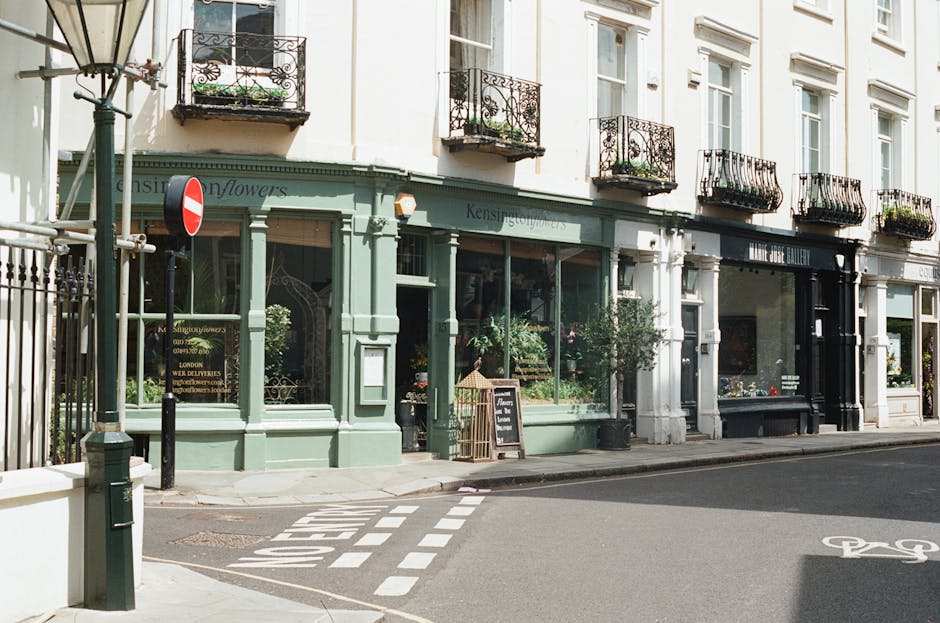
If you are planning a building clean in Kensington W8, the permit side of things can feel a bit like the hidden paperwork nobody warned you about. The dust, the skip, the vans, the lift booking, the neighbour who is already peering out of the window at 7:30 a.m. - it all adds up. This Council permit guide for building cleans Kensington W8 is here to make the process clearer, calmer, and much more manageable.
In plain English, the main job is to work out whether your clean needs permission, who is responsible for arranging it, and what can go wrong if you leave it too late. That might include loading bay access, parking suspensions, scaffold-related restrictions, pavement use, or timing limits for noisy work. The exact rules depend on the property, the street, and the type of clean, so the safest approach is always to plan early and keep your paperwork tidy. Truth be told, that saves more headaches than any clever workaround ever will.
This guide walks you through the practical steps, the common pitfalls, and the best ways to stay on the right side of local requirements while getting the site clean, safe, and ready to hand over.
Why Council permit guide for building cleans Kensington W8 Matters
A building clean is rarely just "turn up and clean." In Kensington W8, access can be tight, streets can be busy, and many properties sit in shared buildings with their own rules on loading, access, waste movement, and common parts. If you are working after refurbishments, the clean may involve kit, waste sacks, ladders, wet-floor areas, and staff moving in and out of a building while residents or tenants are still around.
That is where permit awareness matters. A permit, notification, or advance approval may be needed for things like placing a vehicle in a restricted spot, using a loading bay, occupying part of the pavement, or coordinating with building management. Even when a formal council permit is not required for the cleaning itself, other approvals might still be needed. It sounds fiddly, because it is a bit fiddly.
The practical risk is simple: if access is blocked or the right permission is missing, the clean can be delayed, the team may have to down tools, and the client ends up paying for avoidable downtime. In a neighbourhood where time windows are precious, that kind of delay can unravel an otherwise well-run project very quickly.
There is also a reputation side to it. A professional building clean should leave the place looking orderly, not create extra disruption in the street. Neighbours notice noise, parking behaviour, waste handling, and whether the team appears organised. A clean operation tends to build trust before anyone even walks through the front door.
Expert summary: for building cleans in Kensington W8, the permit question is really an access-planning question. If you get access, timing, and compliance sorted early, the clean is usually smoother, safer, and far less stressful.
How Council permit guide for building cleans Kensington W8 Works
The process is best thought of as a short planning chain rather than a single permission request. Start with the site, then the access route, then the waste plan, then the timing. Simple enough on paper; in the real world, a lift can be booked, a neighbour can be away, and suddenly the whole sequence shifts by half a day.
Here is the usual flow:
- Review the site access. Look at where vehicles can stop, where materials can be brought in, and whether there are any restrictions on the street or within the building.
- Check the building rules. Many flats, managed blocks, and commercial premises have their own procedures for contractors, deliveries, and waste removal.
- Assess whether a council permit is needed. This could relate to parking, loading, pavement use, or any work that affects public space rather than the cleaning task itself.
- Book the clean around the permitted window. If access is limited, the schedule needs to fit the approval, not the other way around.
- Prepare method statements and safety controls where required. For more complex cleans, especially post-build projects, that can include risk controls for slips, dust, chemicals, and public access.
- Confirm waste and recycling arrangements. Building cleans often involve debris, packaging, and contaminated materials that need proper handling.
If the work sits alongside refurbishment or snagging, the clean may also need to wait until trades have finished. That sounds obvious, yet it is one of the most common causes of wasteful re-cleans. You would be surprised how often a freshly cleaned sill gets dusty again ten minutes later. Annoying, but very real.
For clients who need a more intensive handover clean, a specialist after-builders cleaning service is usually more appropriate than a general domestic tidy-up, because it is designed for heavier residue, fine dust, and post-work mess.
Key Benefits and Practical Advantages
Getting the permit side of a building clean right is not only about avoiding trouble. It can improve the whole project experience.
- Fewer delays. When access is approved in advance, teams can arrive and start without wasting time on the kerb or at reception.
- Better safety. Fewer interruptions mean less crowding, fewer trip hazards, and cleaner control of equipment.
- Smoother neighbour relations. Nobody enjoys a surprise skip, noisy loading, or repeated van movements outside their window.
- Cleaner handover. The site can be prepared properly rather than rushed around access problems.
- Lower chance of rework. If the schedule matches the building's operational rules, the clean can be completed once, properly.
There is also a commercial advantage. Contractors and property managers in Kensington W8 often work under tight deadlines - end-of-tenancy handovers, office reopenings, rental listings, and refurbishment sign-offs. A permit-aware approach helps protect those timelines. It is boring in the best possible way.
When the job is larger or involves ongoing upkeep, the same logic applies to planned services such as commercial cleaning or communal area cleaning, where access coordination matters just as much as the actual cleaning work.
Who This Is For and When It Makes Sense
This guide is for anyone dealing with a clean that affects access, movement, or shared space in Kensington W8. That usually includes landlords, managing agents, homeowners, tenants, builders, project managers, letting agents, office managers, and clean-up teams working in multi-storey or mixed-use buildings.
It makes the most sense when:
- the property is in a controlled parking or loading area
- the building has concierge, lift, or access booking rules
- the clean follows refurbishment or repair work
- there is waste to remove, not just dusting and wiping
- pavement space or street access may be affected
- the job sits on a deadline, such as a handover, inspection, or move-in
For a family flat, the permit question may be small. For a multi-unit block with trades still on site, it can become a major scheduling point. That difference matters. A lot.
If the clean is more routine - perhaps weekly upkeep or a lighter one-off visit - then a service like regular cleaning or one-off cleaning may be more suitable, and the permit burden may be lighter. But if there is dust, debris, or shared building access involved, treat the permit question seriously from the start.
Step-by-Step Guidance
Here is a practical way to handle council permit planning without overcomplicating it.
- Map the site access. Note where the team will park, unload, and enter the building. Check if there is a loading bay, time-restricted stopping, or resident-only access.
- Identify the public-space impact. If vans, barriers, skips, or equipment may affect the road or pavement, a permit or prior approval is more likely to be needed.
- Speak to building management early. Ask about lift bookings, contractor sign-in, working hours, and waste routes. Sometimes this is the real gatekeeper, not the council.
- Confirm the scope of the clean. A light clean is different from post-construction deep cleaning. The more residue and equipment involved, the more planning you need.
- Check safety and insurance documents. Clients and building managers often want reassurance that the team is covered and works safely.
- Schedule buffers. Leave room for unexpected access issues, lift delays, weather, or late handover from trades.
- Prepare a waste plan. Decide in advance what will be removed, recycled, bagged, or kept on site.
- Walk the final route before the job starts. A quick visual check can catch narrow doors, awkward stairs, or tight corners that would otherwise slow everything down.
One useful habit is to treat the first site visit like a rehearsal. Stand in the lobby. Look at the turning space. Notice the floor type. Listen for what is happening around you. Small things, yes, but they can save an hour later.
If the clean involves more detailed surface recovery, pairing the site plan with deep cleaning can be a smart move, especially where residue has settled into fixtures, corners, or high-touch areas.
Expert Tips for Better Results
In practice, the best permit planning is the kind nobody notices because it just works. A few habits make a big difference.
- Book earlier than you think you need to. Access and permit windows often shrink rather than expand.
- Keep one person responsible. Too many people chasing approvals can cause mixed messages and missed details.
- Match the clean to the handover timetable. Cleaning too early often means cleaning twice.
- Use the right service level. A standard clean is not the same thing as a builders' clean, and that gap matters.
- Think about the finish, not just the mess. Polish, dust control, odour, and touchpoint hygiene all shape the final impression.
There is also a trust point here. A professional provider should be able to discuss access, timings, safety, and property sensitivity without sounding vague. If they shrug and say "we'll sort it on the day," that is not confidence - that is a gamble.
Where carpets, upholstery, or soft furnishings are part of the job, it may help to align the wider clean with specialist services such as carpet cleaning or upholstery cleaning, especially after building dust or renovation residue has settled into fibres.
Common Mistakes to Avoid
The same mistakes tend to pop up again and again. Fortunately, they are easy to spot once you know what to watch for.
- Assuming no permit is needed. If you are using public space in any way, check first.
- Forgetting the building's own rules. A council may allow access, but a block manager may not.
- Underestimating the time needed. Permit windows and lift bookings rarely give you more slack than you planned for.
- Ignoring waste handling. Loose debris, wet waste, and packaging need a proper route out.
- Leaving permit queries until the day before. That one is a classic.
- Choosing the wrong type of clean. A light touch job will not fix construction dust or paint residue.
Another common issue is poor communication between the cleaner, client, and building team. One person thinks the loading bay is fine. Another thinks the concierge has booked it. In the end, nobody has. Easy to laugh at after the fact, less funny on the morning of the job.
For end-of-lease situations, using end of tenancy cleaning can help align expectations around what needs to be spotless before inspection, especially where building access is tight and timing is fixed.
Tools, Resources and Recommendations
You do not need a complicated toolkit to manage permit planning, but a few practical items make life easier.
- Site access checklist. Keep a simple written list of entrances, lifts, stair routes, and parking notes.
- Photo log. Take clear pictures before work starts so everyone understands the access points and starting condition.
- Job timetable. Build in arrival time, unloading time, clean time, and exit time.
- Risk notes. Record anything that could affect safety or public movement, even if it seems minor.
- Contact sheet. Keep the client, site manager, and lead cleaner details in one place.
For property managers who oversee repeated cleans, it can also be useful to standardise the process with clear pricing and quotes and a written scope. That keeps the permit question tied to the job size, not guessed from memory.
And if the building has sustainability expectations, a provider with sensible recycling and sustainability practices can make waste handling more straightforward and more responsible. That matters more than people sometimes think.
Law, Compliance, Standards and Best Practice
For building cleans in Kensington W8, the main compliance issue is usually not the cleaning agent itself - it is the combination of access, safety, and local control of space. UK cleaning work typically sits alongside expectations around safe working, public protection, waste handling, and accurate communication with property stakeholders.
Best practice usually includes:
- public-space awareness when vehicles or equipment are placed near the building
- safe manual handling for waste bags, equipment, and furniture moves
- slip-risk control for wet floors and freshly cleaned surfaces
- clear signage where members of the public or residents may pass through
- appropriate insurance for contractor work and site access
- proper consent from building management where shared areas are involved
Where the clean touches common parts, the safe route is to follow the building's procedures first and then check whether any council-related approval is needed for parking, loading, or road use. If there is any doubt, do not guess. Ask. It is the cleanest decision you can make, oddly enough.
You can also look at a provider's own operational standards, such as health and safety policy, insurance and safety, and terms and conditions, to understand how they approach responsibility, risk, and service limits.
Options, Methods and Comparison Table
Not every building clean needs the same level of permit planning. The right approach depends on how much access pressure the job creates.
| Approach | Best for | Permit pressure | Typical advantage |
|---|---|---|---|
| Light internal clean | Low-disruption residential or office refreshes | Low | Usually quicker to organise and less likely to need street-level access control |
| Post-build clean | Refurbishment, snagging, dusty finishes | Medium to high | Better suited to residue, debris, and phased access |
| Communal-area clean | Shared lobbies, stairs, corridors, and entry points | Medium | Needs careful timing around residents and management rules |
| Commercial clean | Offices, premises, and business sites | Varies | Often benefits from out-of-hours access planning and managed entry |
If your building has both private and shared spaces, the most sensible method is often a hybrid plan: internal clean first, then touchpoints, then communal areas, then final inspection. That order reduces backtracking and keeps muddy footprints from travelling around the site.
For ongoing premises, a combination of office cleaning and communal area cleaning may be more practical than a single one-off visit, particularly where access permissions and building schedules are fixed month to month.
Case Study or Real-World Example
Imagine a small apartment block in W8 where a flat has just been refurbished. The builder finishes late on a Thursday, and the owner wants the property clean for a viewing on Saturday morning. There is limited kerb space, the entrance is shared, and the building manager has specific lift hours.
If the cleaning team turns up without checking access, they may find the lift booked, the loading bay unavailable, and the site manager unavailable for sign-in. That leaves everyone standing around with equipment and no useful progress. Not ideal, obviously.
A better approach is simple:
- confirm the building's contractor rules on Wednesday
- book the loading and access window before Thursday afternoon
- schedule the clean after the builder's final departure
- leave time for a final dust pass and touchpoint wipe-down
- check the flat again after ventilation, because fine dust has a habit of settling back overnight
In that scenario, a service like move-in cleaning can be a good fit if the property is being prepared for occupancy, while after-builders cleaning is better when the focus is on construction residue and post-work dust.
The key lesson is not that permits are complicated. The lesson is that access planning and cleaning quality are tied together. If one is rushed, the other usually suffers.
Practical Checklist
Use this checklist before the team arrives.
- Have you confirmed whether a council permit or access approval is needed?
- Have you checked the building's own rules for contractors?
- Is there a clear loading or parking plan?
- Have lift, concierge, or entry arrangements been booked?
- Do you know what waste will leave the site and how?
- Have safety responsibilities been agreed?
- Is the cleaning scope matched to the actual level of dirt or residue?
- Have you allowed enough time for setup and wrap-up?
- Are the right documents ready, including insurance and any site notes?
- Has someone been assigned to oversee access on the day?
One more thing: keep a final buffer for the unexpected. A key can go missing, the porter can be late, or a nearby delivery truck can block access for twenty minutes. It happens. Build around real life, not the ideal version of it.
Conclusion
A good Council permit guide for building cleans Kensington W8 is really about staying organised before the cleaning starts. When you understand access restrictions, building rules, and any public-space permissions, you reduce delays, protect safety, and give the clean a much better chance of going smoothly.
The smartest approach is to plan early, confirm responsibilities, and match the cleaning method to the property rather than forcing the job into a generic template. That is especially true in Kensington W8, where logistics can be tight and expectations are usually high. Honestly, a little preparation goes a long way.
If you are weighing up a building clean, start with the access question, then build the schedule around it. That simple order usually saves time, money, and a fair bit of stress.
Get a free quote today and see how much you can save.
Frequently Asked Questions
Do I always need a council permit for a building clean in Kensington W8?
Not always. The need for a permit usually depends on whether the clean affects public space, parking, loading, or pavement use. The cleaning itself may not need permission, but the access setup might.
Who is normally responsible for arranging the permit?
It depends on the project. Sometimes the landlord, managing agent, contractor, or cleaning provider handles it. The important part is to agree responsibility early so nobody assumes someone else has done it.
How far in advance should I plan a building clean with access restrictions?
As early as possible. For tighter sites, a few days can be too late. If loading space, lifts, or building approvals are involved, leave enough time for back-and-forth. Last-minute planning is where trouble starts.
What happens if the permit or access approval is not in place?
The clean may be delayed, reduced, or stopped altogether. In some cases the team has to wait off-site until access is resolved. That is expensive and annoying, and nobody enjoys it.
Is a post-build clean different from a standard clean?
Yes, quite a lot different. Post-build work often involves fine dust, residue, debris, and more intense detailing. A standard clean may not be enough for a refurbishment handover.
Can a building manager refuse access even if the council allows it?
Yes. Council permission and building permission are not the same thing. Shared buildings often have their own rules, and those can be stricter than local access arrangements.
What should I check before booking a cleaner for Kensington W8?
Check access, waste handling, timing, scope of work, and whether the provider understands the building type. It also helps to review insurance, safety procedures, and the type of clean being offered.
Does a building clean need special insurance?
It is sensible for the provider to have appropriate cover, especially where shared areas, equipment movement, or public access are involved. Ask for reassurance before the job starts.
How do I know whether I need deep cleaning or after-builders cleaning?
If the property has light dust and general dirt, deep cleaning may be enough. If there is construction residue, plaster dust, or post-refurbishment mess, after-builders cleaning is usually the better fit.
What are the most common permit-related mistakes?
Assuming no approval is needed, forgetting building rules, leaving access planning too late, and not allowing enough time for loading or lift use. Those four come up a lot.
Can permit planning affect the price of the clean?
Yes, indirectly. If access is difficult, time windows are short, or the job requires extra coordination, the overall cost can change. It is best to ask for a clear quote with the access details included.
What is the best way to reduce disruption to neighbours?
Keep the timing tight, the route clear, and the communication good. Use the agreed access points, avoid unnecessary noise, and make sure waste leaves in an orderly way. Small things really do add up.