Block cleaning for Earls Court Kensington estates
Posted on 28/05/2026
Block Cleaning for Earls Court Kensington Estates: A Practical Guide for Residents, Managers and Landlords
If you live, manage, or let a property in this part of west London, you already know how quickly a shared building can lose its polish. One rainy week, a couple of muddy shoes, a post-delivery box mountain by the entrance, and suddenly the lobby feels tired. That is where block cleaning for Earls Court Kensington estates really earns its keep. It is not just about making things look nice for a day. It is about keeping communal areas safe, presentable, and easier to live with all year round.
In a busy estate, the little things matter: a clean stairwell, bins managed properly, door glass that is actually streak-free, and a lift that does not smell faintly of yesterday's takeaway. This guide walks through what block cleaning involves, why it matters in Earls Court and Kensington, how the service usually works, and what good practice looks like if you are comparing providers or organising cleaning for a block you manage.
Along the way, you will also find a few practical checks, a comparison table, and links to related resources such as the full services overview, pricing and quotes, and useful background reading like Kensington living conditions examined. If you are trying to make a sensible decision rather than a rushed one, you are in the right place.
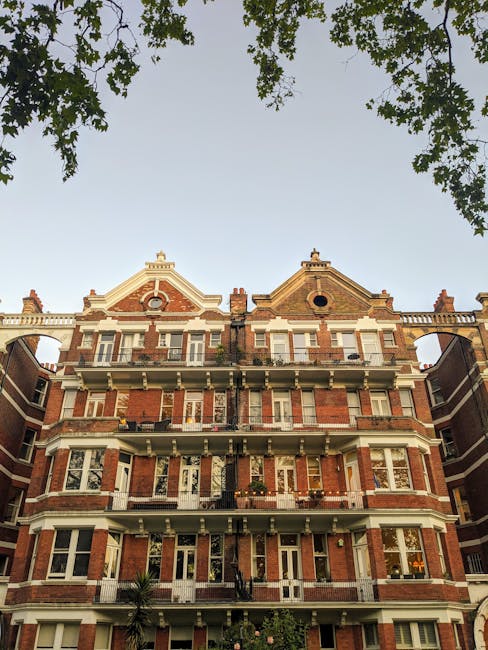
Why Block cleaning for Earls Court Kensington estates Matters
Shared buildings have a simple truth about them: everyone notices the cleaning, even when nobody says a word. A well-kept entrance says the estate is cared for. A neglected landing says the opposite. In Earls Court and Kensington, where many blocks sit in high-footfall, densely occupied neighbourhoods, that impression is not trivial. It affects comfort, tenant satisfaction, resident confidence, and even how people behave in the space.
Block cleaning is especially important because estates are exposed to a mix of everyday wear and local conditions. Wet weather drags in grit. Bikes and prams leave scuffs. Refuse rooms can become a problem if they are not managed consistently. Then there is the rhythm of London life itself: deliveries, visitors, late returns, short lets in some buildings, and the general ebb and flow of people. It all adds up.
There is also a practical angle. Dirty communal areas can make it harder to spot hazards early. Spills on tiled floors, litter in corners, or mildew developing in poorly ventilated areas can become maintenance issues if they are ignored. A regular cleaning schedule helps catch these things before they turn into complaints or repair costs. To be fair, it is one of those behind-the-scenes services that only gets noticed when it goes wrong.
For landlords and managing agents, a clean block can support a more professional reputation. For residents, it makes the daily walk to the front door, post room, or bin store feel less annoying. And let's face it, that small feeling of order matters more than people admit.
If you are also thinking about the wider property experience in the area, buying and selling Kensington estates is worth a look, because presentation often forms part of a buyer's or tenant's first impression.
How Block cleaning for Earls Court Kensington estates Works
At its core, block cleaning is a planned, repeatable service for communal areas in apartment blocks, mansion blocks, mixed-use estates, and managed residential buildings. It usually covers spaces that everybody uses but nobody wants to be responsible for individually: entrances, lobbies, hallways, stairs, lifts, shared glazing, bin areas, and sometimes external touchpoints like railings or steps.
The exact scope depends on the building. A compact block with three floors and one entrance needs a very different approach from a larger estate with multiple cores, lift shafts, refuse stores, and shared corridors. Good cleaning is not about spraying everything and hoping for the best. It is about matching the schedule, methods and products to the building's layout and traffic patterns.
A typical service might include:
- sweeping and mopping of communal floors
- dusting of skirting boards, ledges and handrails
- cleaning of entrance doors and glass panels
- spot cleaning of marks on walls and switches
- lift interior cleaning and mirror polishing
- bin store or refuse area tidying
- removal of cobwebs and visible debris
- reporting of issues noticed during the visit
Some estates also ask for extras such as carpet care in communal areas, sanitising high-touch points, or periodic deeper cleans. In buildings with older finishes, a light-touch approach is often better than aggressive cleaning. Marble, brass trims, painted woodwork and heritage fixtures need a bit of judgement. If you are unsure, ask how the team handles delicate surfaces. It sounds small, but it can save a lot of grief later.
For a broader sense of what a professional provider can cover, see the domestic cleaning service in West Kensington and house cleaning in West Kensington, both of which sit naturally alongside communal cleaning when a building needs more than one type of care.
Key Benefits and Practical Advantages
When block cleaning is done well, the results are visible almost immediately. But the real benefits go beyond first impressions.
- Better presentation: clean entrances and tidy shared areas make the whole property feel looked after.
- Fewer complaints: residents are less likely to report dirt, odour, clutter, or bin room issues.
- Safer communal spaces: regular cleaning helps reduce slips, blocked walkways, and unnoticed spills.
- Longer-lasting surfaces: dirt and grit can wear floors down, especially in high-traffic areas.
- Easier maintenance: it is simpler to notice damage, leaks, and wear when the area is consistently clean.
- Better resident experience: a well-kept block quietly improves daily life. Not glamorous, but important.
There is also a commercial upside. For landlords, estate managers and freeholders, good communal cleaning can support retention and reduce friction between residents and management. For investors, it contributes to the overall condition of the asset, which is especially relevant in competitive areas like Kensington. You can explore related context in guidance for investing in Kensington properties.
One thing people sometimes overlook is consistency. A block that is cleaned well once a month but left messy in between often feels worse than a block that gets steady weekly attention. Humans notice patterns. We all do.
Good block cleaning is not just a cosmetic service. It is part of how a building protects its value, supports everyday comfort, and keeps residents onside without fuss.
Who This Is For and When It Makes Sense
Block cleaning is not only for large estates. In Earls Court and Kensington, it makes sense for a wide range of properties, especially where people share access, circulation areas, or refuse facilities.
It is usually a good fit for:
- resident management companies
- managing agents
- freeholders and leaseholders with shared entrances
- landlords with multi-unit buildings
- right-to-manage groups
- mixed-use buildings with residential common parts
It also makes sense when the building starts showing recurring problems such as dirty entrance glass, bin room odours, stairwell dust, or poor appearances after weekends. If the cleaner only comes occasionally and residents are already commenting on the state of things, that is usually your sign that the current arrangement is not enough.
Sometimes the trigger is more specific. A new tenant move-in, a change in building usage, a refurbishment, or a seasonal spike in mud and leaves can all make a regular block cleaning schedule worthwhile. In winter, the need is obvious. In summer, people often assume the problem will ease by itself. It rarely does, not really.
If you are comparing services across the area, office cleaning in West Kensington is useful to review as well, because many of the same operational standards apply: access control, reliability, checklists and clear communication.
Step-by-Step Guidance
Here is a practical way to organise block cleaning without making it more complicated than it needs to be.
- Walk the building first. Look at the entrance, stairwells, lift, bin areas, meter cupboards, and any corridors that residents use regularly.
- Identify the pain points. Is it litter, dust, odour, pet hair, marks on glass, or muddy floor traffic?
- Decide the frequency. Some blocks need several visits a week; others are fine with a weekly or fortnightly schedule. The layout tells you more than the postcode does.
- Define the scope clearly. List what is included and what is not. This keeps expectations realistic and avoids awkward misunderstandings later.
- Choose safe methods and products. Surfaces vary. So do the right cleaning agents. A good team should explain what they use and why.
- Set a reporting line. If cleaners spot damage, fly-tipping, a leak, or a recurring problem, there should be a simple way to flag it.
- Review after the first few visits. Are the areas staying tidy? Are residents happy? Do some tasks need more or less attention?
A useful little habit is to review the building from the perspective of someone arriving at night with shopping bags. That sounds oddly specific, I know, but it works. You notice awkward lighting, dirty handles, and cluttered corners very quickly from that angle.
For related post-tenant or turnover scenarios, the guide on end of tenancy cleaning in West Kensington and the local article on end of tenancy cleaning in the West Kensington station area can help if your block cleaning needs overlap with move-outs.
Expert Tips for Better Results
Small adjustments make a big difference in communal cleaning. Here are some practical tips that often separate a decent service from a genuinely good one.
- Match the clean to footfall. A building with heavy morning and evening traffic needs different attention from a quieter block.
- Do the visible areas first. Entrances, glass, handrails and lifts shape perception immediately.
- Don't ignore smell. Refuse rooms and damp corners can ruin the feel of a spotless lobby. Odour control matters.
- Use a simple checklist. It keeps standards stable even when staff or schedules change.
- Keep access arrangements smooth. Missed visits happen when keys, codes or permits are not managed properly.
- Plan occasional deeper cleans. Regular maintenance is one thing; periodic intensive cleaning is another. Both have a place.
A good provider should be able to explain how they deal with fragile surfaces, communal carpets, polished metals and high-touch areas. If the answer is vague, that is worth noticing. Truth be told, vague answers tend to stay vague after the contract starts.
It can also help to tie block cleaning in with other property services. For example, estates that manage rental turnover may pair common-area cleaning with upholstery cleaning in West Kensington or carpet care where communal furnishings and soft finishes need attention. That is less about upselling and more about joining the dots properly.

Common Mistakes to Avoid
Most block cleaning problems are not dramatic. They are usually the result of small, repeated oversights.
- Being too vague about the brief. "Clean the block" is not enough. Be specific.
- Choosing price alone. Cheap looks attractive until standards drop or communication becomes patchy.
- Skipping a site visit. Photos help, but they do not replace seeing the building in person.
- Ignoring high-touch surfaces. Door handles, buttons and railings are small details with big impact.
- Assuming all blocks need the same schedule. They absolutely do not.
- Not reviewing performance. Even a solid cleaning plan benefits from periodic checks and feedback.
A surprisingly common mistake is over-cleaning one area while neglecting another. An immaculate entrance with a grim bin store creates an odd mismatch. People remember the worst part. That is just how it works.
Another one: failing to think about the building's routine. If deliveries arrive around the same time each day or refuse collection causes temporary congestion, the cleaning schedule should work around that rhythm. Otherwise the team spends half their visit dodging avoidable disruption.
Tools, Resources and Recommendations
You do not need a warehouse of equipment to maintain a good block, but the right tools do matter. Professional communal cleaning typically uses a blend of general cleaning equipment, surface-specific products and practical signage or safety controls when floors are wet.
| Area | Common method | What good practice looks like |
|---|---|---|
| Entrance and lobby | Dusting, wiping, mopping, glass cleaning | Visible surfaces cleaned without streaks or residue |
| Stairs and landings | Sweeping, vacuuming, spot wiping | Edges, corners and handrails included, not just the centre path |
| Lift interiors | Panel wiping, mirror polishing, floor care | Buttons, doors and mirrors kept presentable and hygienic |
| Bin or refuse areas | Debris removal, surface cleaning, odour control | Waste build-up addressed before it becomes a complaint |
| Communal carpets | Vacuuming, periodic carpet cleaning | Grit removed regularly to slow wear and improve appearance |
For building managers, the most useful resource is often not a fancy system but a simple record of what was cleaned, when, and any issues noticed during the visit. A straightforward log helps everyone stay aligned. It also makes conversations much easier if standards slip.
If you want to understand more about the company behind these local services, have a look at about us and the health and safety policy. For practical account handling and trust signals, insurance and safety plus payment and security are also useful reads.
Law, Compliance, Standards, or Best Practice
Block cleaning in shared residential buildings is not usually about complex legal drama, but there are still standards and responsibilities to keep in mind. In practice, this means working in a way that is safe, proportionate and consistent with how the building is managed.
Key best-practice areas usually include:
- safe access for cleaners and residents
- clear communication about timings and entry arrangements
- appropriate handling of cleaning chemicals and equipment
- attention to slip risks while floors are wet
- proper consideration of residents with accessibility needs
- respect for privacy and secure areas
Where a building has vulnerable residents, older residents, or people with mobility limitations, the cleaning routine should be organised so it does not create barriers. A wet floor sign is helpful, but it is not the whole story. Timing, route planning and clear signage all matter.
It is also wise to work with providers who can speak plainly about risk management, complaints handling and service terms. The policy pages on complaints procedure, terms and conditions, privacy policy, cookie policy, and modern slavery statement are useful indicators of how a company handles the broader trust side of the relationship.
If your estate includes mixed-use spaces, tenant turnover, or visitor-heavy common parts, it may be worth thinking in terms of managed cleaning standards rather than a one-off tidy. That is usually where the better outcomes come from. Not perfect. Just steady, sensible, and professional.
Options, Methods, or Comparison Table
Not every estate needs the same cleaning model. Here is a simple comparison to help you think through the main options.
| Method | Best for | Strengths | Trade-offs |
|---|---|---|---|
| Weekly maintenance cleaning | Most residential blocks | Reliable, balanced, cost-conscious | May not be enough for high-traffic or larger estates |
| Multiple visits per week | Busy entrances, larger estates, mixed-use blocks | Keeps areas fresh between peak traffic periods | Higher cost and more coordination |
| Deep clean plus maintenance | Blocks needing a reset | Addresses built-up dirt, then maintains standards | Requires clear planning and an initial spend |
| Ad hoc cleaning only | Very low-use or temporary situations | Flexible | Often inconsistent, and standards can drift quickly |
For most Earls Court and Kensington estates, a scheduled maintenance model tends to make the most sense. It keeps the building from sliding into that awkward middle ground where it is not dirty enough to be an emergency, but not clean enough to feel genuinely cared for. That middle ground, by the way, is where complaints breed.
If your building also has garden-facing areas or access paths that need periodic attention, services can sometimes be combined or coordinated with wider routine cleaning plans. For a sense of broader service integration, see carpet cleaning in West Kensington and the main services overview.
Case Study or Real-World Example
Picture a mid-sized estate near Earls Court with a main entrance, a lift, two stair cores and a shared refuse area. On paper, it looks straightforward. In real life, the entry mats trap grit, the lift gets fingerprinted by lunchtime, and the bin room starts to smell by the end of the week whenever collection timing slips. Nothing outrageous. Just enough to make residents unhappy.
At first, the block relied on occasional cleaning visits. The lobby looked decent for a day or two, then drifted back. Residents started mentioning the same things again and again: dusty skirting boards, grimy glass, the odd bad smell near the bins, and a general sense that no one was quite on top of it.
The solution was not dramatic. The schedule was tightened, the cleaning brief was made clearer, and the focus shifted to high-traffic touchpoints and refuse management. A little more care was given to the entrance glass and lift surfaces. Floor edges were checked properly instead of just giving the middle of the hallway a quick once-over. The difference was subtle at first, then obvious. People stopped noticing the cleaning because the building simply felt looked after.
That is often the goal, really. Not applause. Just quiet competence.
If the estate includes turnover periods or residents moving in and out, the topic connects neatly with end of tenancy cleaning in the West Kensington station area, because shared spaces often suffer most during busy move weeks.
Practical Checklist
Use this checklist when planning or reviewing block cleaning for an estate in Earls Court or Kensington.
- Have you inspected all communal areas, not just the entrance?
- Is the cleaning schedule matched to actual footfall?
- Are stairs, lifts, bin areas and glass included in the brief?
- Have access arrangements been confirmed and tested?
- Are delicate or high-value finishes clearly identified?
- Is there a simple way to report issues found during cleaning?
- Do residents know when cleaning visits are likely to happen?
- Are there any recurring odour, spill or litter problems to solve?
- Is the provider insured and clear about responsibility?
- Will the service be reviewed after the first few visits?
Quick expert summary: if the building is busy, visible, or frequently used by residents, guests and delivery staff, regular block cleaning is rarely optional in practice. It becomes part of keeping the estate functioning properly. Keep the scope clear, stay consistent, and do not let the bin store dictate the mood of the whole block.
Conclusion
Block cleaning for Earls Court Kensington estates is really about more than cleanliness. It is about shared standards, resident comfort, safer common areas and the day-to-day feeling that a building is being cared for properly. In a neighbourhood where presentation and reputation carry real weight, that matters.
The best results come from a sensible schedule, a clear scope, and a cleaning team that understands the realities of communal living. That means dealing with the visible stuff, yes, but also the quieter details: odours, access, slip risks, corners, edges and all the small things that shape first impressions. Easy to overlook. Hard to ignore once they go wrong.
Use the checklist, compare options carefully, and think about the building as people actually experience it at 7:30 on a wet Tuesday morning. That tends to sharpen the brief nicely.
Get a free quote today and see how much you can save.
And if you want to keep exploring related local cleaning and property topics, the right next step is often just one clear conversation away.